


Eco-Friendly Roofing Solutions: A Guide to Sustainable Choices
- Dr. Angela Even

- Feb 20
- 4 min read
When it comes to roofing, the choices we make today can have a lasting impact on our environment and our wallets. I’ve seen firsthand how switching to eco-friendly roofing solutions not only benefits the planet but also enhances the durability and efficiency of buildings. Whether you’re managing a commercial property, an industrial facility, or a cozy home, there are smart, sustainable options that fit your needs and budget.
Let’s dive into the world of green roofing and explore practical, environmentally conscious materials and techniques that can transform your roof into a powerhouse of sustainability.
Exploring Eco-Friendly Roofing Solutions
Eco-friendly roofing solutions are more than just a trend—they’re a necessity for a healthier planet and smarter building management. These options reduce energy consumption, minimize waste, and often come with long-term savings. Here are some of the top choices I recommend:
1. Metal Roofing
Metal roofs are durable, recyclable, and energy-efficient. They reflect solar radiant heat, which can reduce cooling costs by up to 25%. Plus, metal roofs can last 40-70 years, making them a long-term investment.
Materials: Aluminum, steel, copper, and zinc.
Benefits: Lightweight, fire-resistant, and recyclable.
Maintenance: Minimal, with occasional inspections for loose panels or rust.
2. Cool Roofs
Cool roofs are designed to reflect more sunlight and absorb less heat than standard roofs. They use reflective paint, sheet coverings, or highly reflective tiles.
Materials: Reflective coatings, white or light-colored tiles.
Benefits: Lower energy bills, reduced urban heat island effect.
Maintenance: Reapplication of reflective coatings every few years.
3. Green Roofs
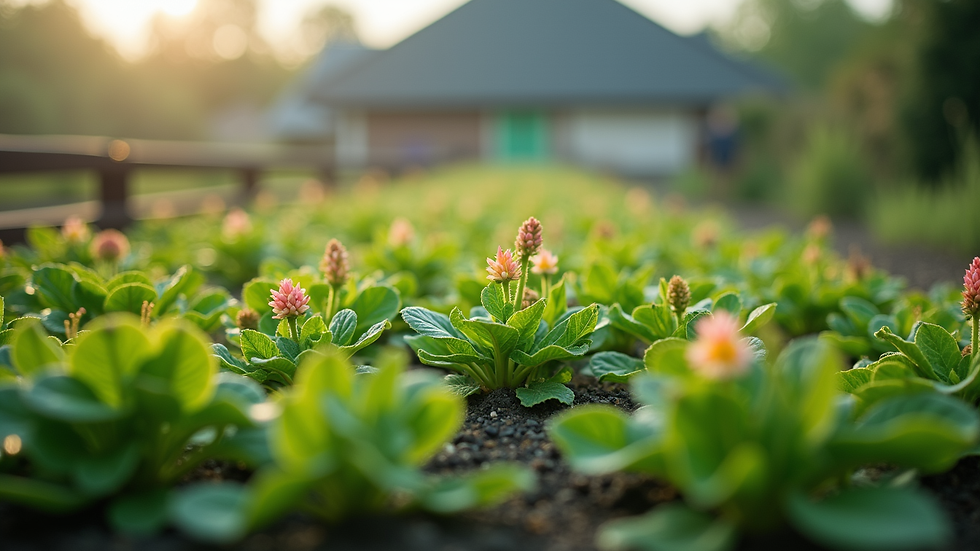
Green roofs, or living roofs, are covered with vegetation planted over a waterproof membrane. They provide insulation, reduce stormwater runoff, and improve air quality.
Types: Extensive (lightweight, low-maintenance) and intensive (heavier, garden-like).
Benefits: Natural insulation, habitat creation, and aesthetic appeal.
Maintenance: Regular watering, weeding, and plant care.
4. Solar Shingles
Solar shingles integrate photovoltaic cells into roofing materials, generating electricity while protecting your home.
Benefits: Dual function as roof and energy generator.
Considerations: Higher upfront cost but potential energy savings and incentives.
Maintenance: Similar to traditional roofing with occasional cleaning.

What if I can't afford to replace my roof?
Not everyone can afford a full roof replacement right away, and that’s perfectly okay. There are several ways to improve your roof’s eco-friendliness without breaking the bank.
Repair and Retrofit
Seal leaks and cracks: Prevent energy loss and water damage.
Add reflective coatings: Affordable and easy to apply, these coatings can improve energy efficiency.
Improve insulation: Enhancing attic insulation reduces heating and cooling costs.
Partial Upgrades
Replace damaged sections with eco-friendly materials.
Install solar attic fans to reduce heat buildup.
Use recycled or sustainable materials for minor repairs.
Financial Assistance
Look for local or federal incentives for energy-efficient upgrades.
Some utility companies offer rebates for installing cool roofs or solar panels.
Consider financing options or phased upgrades to spread out costs.
Taking small steps can lead to big environmental and financial benefits over time. Remember, every bit counts!
The Benefits of Choosing Sustainable Roofing Options
Switching to sustainable roofing options is a win-win. Here’s why I’m passionate about promoting these choices:
Energy Efficiency: Reflective and insulated roofs reduce heating and cooling demands.
Longevity: Many eco-friendly materials last longer, reducing replacement frequency.
Environmental Impact: Less waste, lower carbon footprint, and reduced urban heat.
Property Value: Green roofs and solar installations can increase market appeal.
Health Benefits: Improved air quality and reduced heat stress in urban areas.
By investing in sustainable roofing, you’re not just protecting your property—you’re contributing to a healthier planet.
How to Choose the Right Eco-Friendly Roof for Your Property
Selecting the best eco-friendly roofing solution depends on several factors. Here’s a simple guide to help you decide:
Assess Your Climate
Hot climates benefit from cool roofs and reflective materials.
Rainy or temperate areas may find green roofs advantageous for stormwater management.
Areas with high solar exposure are ideal for solar shingles.
Consider Your Building Type
Commercial and industrial buildings often have flat roofs suitable for green roofs or solar panels.
Residential homes may prefer metal or asphalt shingles with reflective coatings.
Budget and Incentives
Calculate upfront costs versus long-term savings.
Research local incentives and rebates.
Factor in maintenance costs.
Aesthetic Preferences
Green roofs add natural beauty.
Metal roofs offer a sleek, modern look.
Solar shingles blend seamlessly with traditional roofing.
Consult Professionals
Working with experienced roofing contractors ensures proper installation and maximizes benefits. They can provide tailored recommendations based on your property’s unique needs.
Taking the Next Step Toward a Greener Roof
Making the switch to eco-friendly roofing solutions is a proactive way to protect your investment and the environment. Whether you’re ready for a full replacement or just exploring options, there’s a sustainable choice for you.
If you’re curious about how these options can work for your property, don’t hesitate to reach out to experts who specialize in environmentally conscious roofing. They can guide you through the process, from material selection to installation and maintenance.
Remember, a green roof is more than just a roof—it’s a statement of care for the future. Let’s build that future together, one sustainable roof at a time.


Comments