


The Process of Professional Commercial Roofing Installation

When it comes to protecting your property, the roof is your first line of defense. Whether you own a sprawling industrial complex or a modest commercial building, understanding the process of professional commercial roofing installation is crucial. It’s not just about slapping on some shingles and calling it a day. It’s a carefully planned, expertly executed operation that ensures durability, safety, and energy efficiency. Let me walk you through the journey of how a commercial roof comes to life, step by step.
Why Choose Professional Commercial Roofing Installation?
Choosing professional commercial roofing installation is more than just hiring someone with a ladder and a hammer. It’s about partnering with experts who understand the unique demands of commercial properties. These roofs face different challenges than residential ones - from larger surface areas to heavier foot traffic and more complex structural requirements.
Professionals bring experience, knowledge, and the right tools to the table. They know which materials work best for your building’s design and climate. Plus, they follow strict safety protocols to protect everyone on site. This expertise translates into a roof that lasts longer, performs better, and saves you money in the long run.
Here’s what you can expect from a professional installation:
Thorough inspection and assessment of your current roof condition.
Customized material selection tailored to your building’s needs.
Efficient project management to minimize downtime.
Compliance with local building codes and environmental standards.
Post-installation support including warranties and maintenance advice.

How is commercial roofing installed?
Now, let’s dive into the nuts and bolts of the process. Commercial roofing installation is a multi-step procedure that requires precision and coordination. Here’s a breakdown of the typical stages:
1. Initial Inspection and Planning
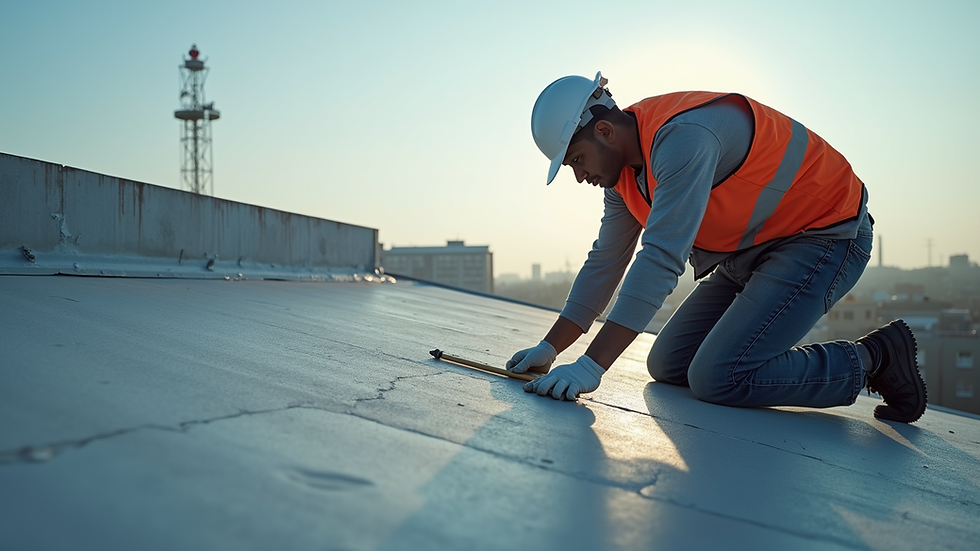
Before any work begins, a detailed inspection is conducted. This includes checking the roof’s structure, drainage systems, insulation, and any existing damage. The goal is to identify potential issues that could affect the new roof’s performance.
Based on this assessment, a tailored plan is created. This plan covers the type of roofing system, materials, timeline, and budget. It’s essential to get this right because commercial roofs often involve complex designs and large areas.
2. Removal of the Old Roof
If your building has an existing roof, it usually needs to be removed. This step is critical because any leftover debris or damaged materials can compromise the new installation. The removal process involves:
Stripping off old membranes or shingles.
Disposing of waste responsibly.
Inspecting the underlying deck for repairs.
Sometimes, a roof can be installed over an existing one, but this depends on the condition and local regulations.
3. Deck Preparation and Repair
The roof deck is the foundation of your roofing system. It must be clean, dry, and structurally sound. Any damaged sections are repaired or replaced. This step ensures a smooth surface for the new roofing materials and prevents future leaks or structural problems.
4. Installation of Insulation and Vapor Barriers
Energy efficiency is a big deal in commercial roofing. Installing proper insulation helps regulate building temperature and reduces energy costs. Vapor barriers are also added to prevent moisture buildup, which can lead to mold and deterioration.
5. Applying the Roofing System
This is where the magic happens. Depending on the chosen system—whether it’s TPO, EPDM, PVC, metal, or built-up roofing—the installation techniques vary. The roofing materials are carefully laid out, sealed, and fastened according to manufacturer specifications.
For example, single-ply membranes like TPO are rolled out and heat-welded at seams for a watertight finish. Metal roofs involve precise panel placement and secure fastening to withstand harsh weather.
6. Quality Checks and Finishing Touches
Once the roof is installed, a thorough inspection ensures everything is up to standard. Flashings, drains, and edges are checked to prevent leaks. Clean-up crews remove any leftover materials, leaving your property neat and safe.
7. Final Walkthrough and Documentation
The project wraps up with a walkthrough alongside the client. This is your chance to ask questions and understand maintenance tips. You’ll also receive documentation including warranties, care instructions, and contact info for future support.

Choosing the Right Materials for Your Commercial Roof
Not all roofs are created equal. The choice of materials can make or break your roofing project. Here are some popular options and their benefits:
TPO (Thermoplastic Olefin): Lightweight, reflective, and energy-efficient. Great for flat roofs.
EPDM (Ethylene Propylene Diene Monomer): Durable rubber membrane, excellent for waterproofing.
PVC (Polyvinyl Chloride): Resistant to chemicals and fire, ideal for industrial buildings.
Metal Roofing: Long-lasting and low maintenance, perfect for sloped commercial roofs.
Built-Up Roofing (BUR): Multiple layers of bitumen and fabric, providing excellent protection.
When selecting materials, consider factors like climate, building use, budget, and environmental impact. A professional installer will guide you through these choices to find the best fit.
Maintenance Tips to Extend Your Roof’s Lifespan
A well-installed roof is just the beginning. Regular maintenance keeps it performing at its best. Here are some practical tips:
Schedule bi-annual inspections to catch issues early.
Keep gutters and drains clear to prevent water buildup.
Trim nearby trees to avoid damage from branches.
Address minor repairs promptly to avoid costly fixes.
Consider applying reflective coatings to reduce heat absorption.
Remember, a little care goes a long way in protecting your investment.
Why Cedar Peak Roofing is Your Go-To Expert
At Cedar Peak Roofing, we understand the importance of a reliable roof. Our team combines years of experience with a commitment to quality and sustainability. We use eco-friendly materials and innovative techniques to deliver roofs that stand the test of time.
Whether you’re managing a large industrial site or a commercial property, we tailor our services to meet your unique needs. Our goal is to be the top commercial roofing contractor on the East Coast, and that means exceeding your expectations every step of the way.
If you’re ready to upgrade your roof or need expert advice, don’t hesitate to reach out. We’re here to help you protect what matters most.
For more detailed information on commercial roofing installation, visit our website and discover how we can make your roofing project a success.
Taking the Next Step for Your Property’s Protection
Investing in a professional commercial roofing installation is a smart move. It safeguards your property, enhances energy efficiency, and boosts curb appeal. With the right team and materials, your roof will serve you well for years to come.
So, whether you’re planning a new build or replacing an old roof, remember that the process is a journey worth taking seriously. From inspection to final walkthrough, every step matters. And with a trusted partner like Cedar Peak Roofing, you can rest easy knowing your roof is in expert hands.
Ready to get started? Let’s make your roofing project a smooth, successful experience. After all, a strong roof means a strong foundation for your business.

Comments