


Exploring Diverse Commercial Roofing Options

When it comes to protecting your property, the roof is your first line of defense. Choosing the right roofing system can feel like navigating a maze, especially with so many options available. But don't worry - I’m here to guide you through the diverse commercial roofing landscape. Whether you’re managing a sprawling industrial complex or a cozy residential building, understanding your roofing choices is key to making a smart investment.
Understanding Diverse Commercial Roofing Materials and Systems
Diverse commercial roofing options mean there’s something for every building type, budget, and climate. Let’s break down some of the most popular materials and systems you might consider:
Built-Up Roofing (BUR): This classic system layers bitumen and reinforcing fabrics to create a durable, waterproof membrane. It’s like the lasagna of roofing - multiple layers for strength and protection. BUR is great for flat or low-slope roofs and offers excellent resistance to weather and foot traffic.
Modified Bitumen Roofing: Think of this as the modern cousin of BUR. It uses asphalt-based sheets modified with polymers for added flexibility and durability. Installation can be done with heat or cold adhesives, making it versatile for different job sites.
Single-Ply Membranes: These are large sheets of synthetic materials like TPO, PVC, or EPDM. They’re lightweight, easy to install, and highly reflective, which helps reduce energy costs. Single-ply roofs are perfect for those who want a quick installation without sacrificing performance.
Metal Roofing: Metal roofs are gaining popularity for their longevity and eco-friendliness. Materials like steel, aluminum, and copper can last 40-70 years. Plus, they’re recyclable and great at shedding snow and rain. Metal roofing is ideal for industrial buildings and commercial spaces looking for a sleek, modern look.
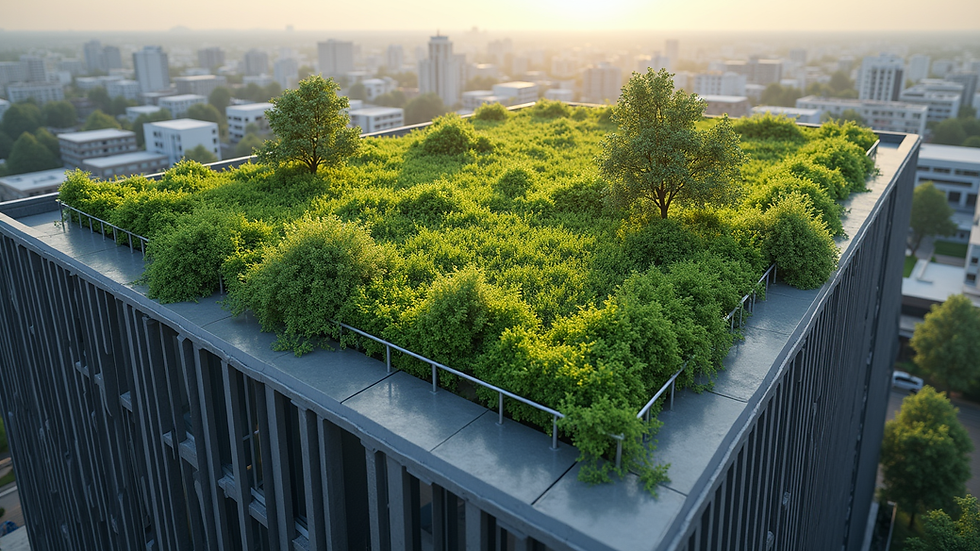
Green Roofs: If sustainability is a priority, green roofs are a fantastic option. They involve layering vegetation over a waterproof membrane, providing insulation, reducing stormwater runoff, and improving air quality. It’s like giving your building a breath of fresh air.
Each option has its pros and cons, so it’s important to consider factors like climate, building structure, budget, and maintenance needs before making a decision.

Why Diverse Commercial Roofing Matters for Your Property
Choosing from diverse commercial roofing options isn’t just about aesthetics or cost. It’s about matching the right system to your building’s unique needs. Here’s why it matters:
Longevity and Durability: Different materials offer varying lifespans. For example, metal roofs can last decades, while some single-ply membranes might need replacement sooner. Picking the right material means fewer headaches down the road.
Energy Efficiency: Reflective roofing materials like TPO or PVC can significantly reduce cooling costs by reflecting sunlight. Green roofs add insulation, helping with both heating and cooling.
Maintenance Requirements: Some roofs demand more upkeep than others. BUR roofs might need periodic inspections for blisters or cracks, while metal roofs require less frequent attention.
Environmental Impact: If you’re aiming for a greener footprint, options like metal and green roofs offer sustainability benefits. Plus, many materials are recyclable.
Budget Considerations: Initial costs vary widely. While metal roofs might have a higher upfront price, their longevity can make them more cost-effective over time.
Understanding these factors helps you make an informed choice that balances performance, cost, and environmental responsibility.
What is the meaning of commercial roofing?
Commercial roofing refers to the specialized roofing systems designed for non-residential buildings such as offices, warehouses, factories, and retail spaces. Unlike residential roofing, which typically involves sloped roofs with shingles, commercial roofing often deals with flat or low-slope roofs that require different materials and installation techniques.
The primary goal of commercial roofing is to provide a durable, weather-resistant barrier that protects the building’s interior and structural integrity. These roofs must withstand heavy foot traffic, equipment installations like HVAC units, and exposure to harsh weather conditions. Because of these demands, commercial roofing systems are engineered for strength, flexibility, and longevity.
In essence, commercial roofing is a tailored solution that addresses the unique challenges of larger, more complex buildings. It’s not just about keeping rain out; it’s about supporting the building’s function and efficiency for years to come.

How to Choose the Right Roofing Contractor for Your Project
Selecting the right contractor is just as important as choosing the roofing material. A skilled contractor ensures your roof is installed correctly, on time, and within budget. Here are some tips to help you find the best fit:
Experience and Expertise: Look for contractors who specialize in commercial roofing and have a proven track record with diverse roofing systems.
Licensing and Insurance: Verify that the contractor is licensed and carries adequate insurance to protect you from liability.
References and Reviews: Ask for references and check online reviews to gauge customer satisfaction.
Detailed Estimates: A good contractor provides a clear, written estimate outlining materials, labor, timelines, and warranties.
Sustainability Practices: If eco-friendliness matters to you, inquire about the contractor’s commitment to environmentally conscious solutions.
Communication: Choose a contractor who communicates clearly and promptly. You want someone who listens and answers your questions.
Remember, a roof is a long-term investment. Don’t rush the decision. Take your time to find a contractor who aligns with your goals and values.
Maintenance Tips to Extend the Life of Your Commercial Roof
Once your roof is installed, keeping it in top shape is essential. Regular maintenance can prevent costly repairs and extend your roof’s lifespan. Here are some practical tips:
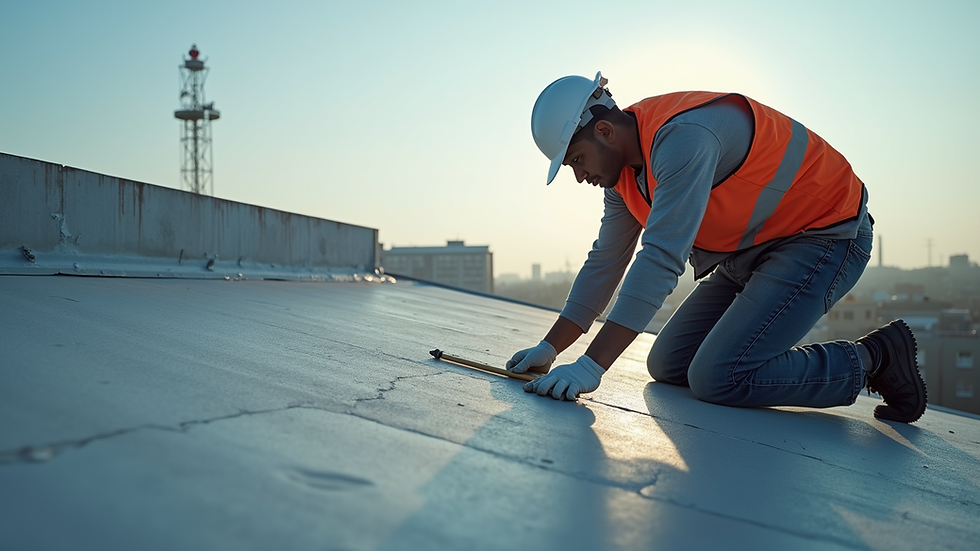
Schedule Regular Inspections: Have a professional inspect your roof at least twice a year and after major storms.
Keep It Clean: Remove debris like leaves, branches, and dirt that can trap moisture and cause damage.
Check for Ponding Water: Flat roofs are prone to water pooling, which can lead to leaks. Ensure proper drainage is maintained.
Repair Damage Promptly: Address cracks, blisters, or punctures as soon as you notice them to prevent further deterioration.
Maintain Roof Equipment: Inspect and service HVAC units and other rooftop equipment to avoid leaks around their bases.
Document Everything: Keep records of inspections, repairs, and maintenance activities. This helps with warranty claims and future planning.
By staying proactive, you’ll protect your investment and enjoy peace of mind knowing your roof is ready to face whatever comes its way.
Embracing the Future of Roofing with Innovation and Sustainability
The roofing industry is evolving fast, with new technologies and materials making roofs smarter and greener. Here are some exciting trends to watch:
Cool Roofs: These roofs use reflective coatings to reduce heat absorption, lowering energy bills and improving comfort.
Solar Roofing: Integrating solar panels directly into roofing materials offers a sleek way to generate clean energy.
Advanced Insulation: New insulation materials improve energy efficiency and reduce environmental impact.
Recyclable Materials: More manufacturers are producing roofing products that can be recycled at the end of their life cycle.
Smart Roofs: Sensors embedded in roofing systems can monitor temperature, moisture, and structural health in real time.
By choosing a contractor who embraces these innovations, you’re not just getting a roof - you’re investing in a sustainable, efficient future.
Exploring diverse commercial roofing options can feel overwhelming, but with the right knowledge and support, it becomes an exciting opportunity to enhance your property’s value and performance. Remember, your roof is more than just a cover - it’s a vital part of your building’s identity and protection. So take your time, ask questions, and choose wisely. Your future self will thank you.
For those ready to take the next step, consider partnering with a trusted expert in commercial roofing who understands your unique needs and delivers quality you can count on. Here’s to a roof that stands strong for decades to come!

Comments